Très bon service, repas copieux, patron attentif et serveuse au top.
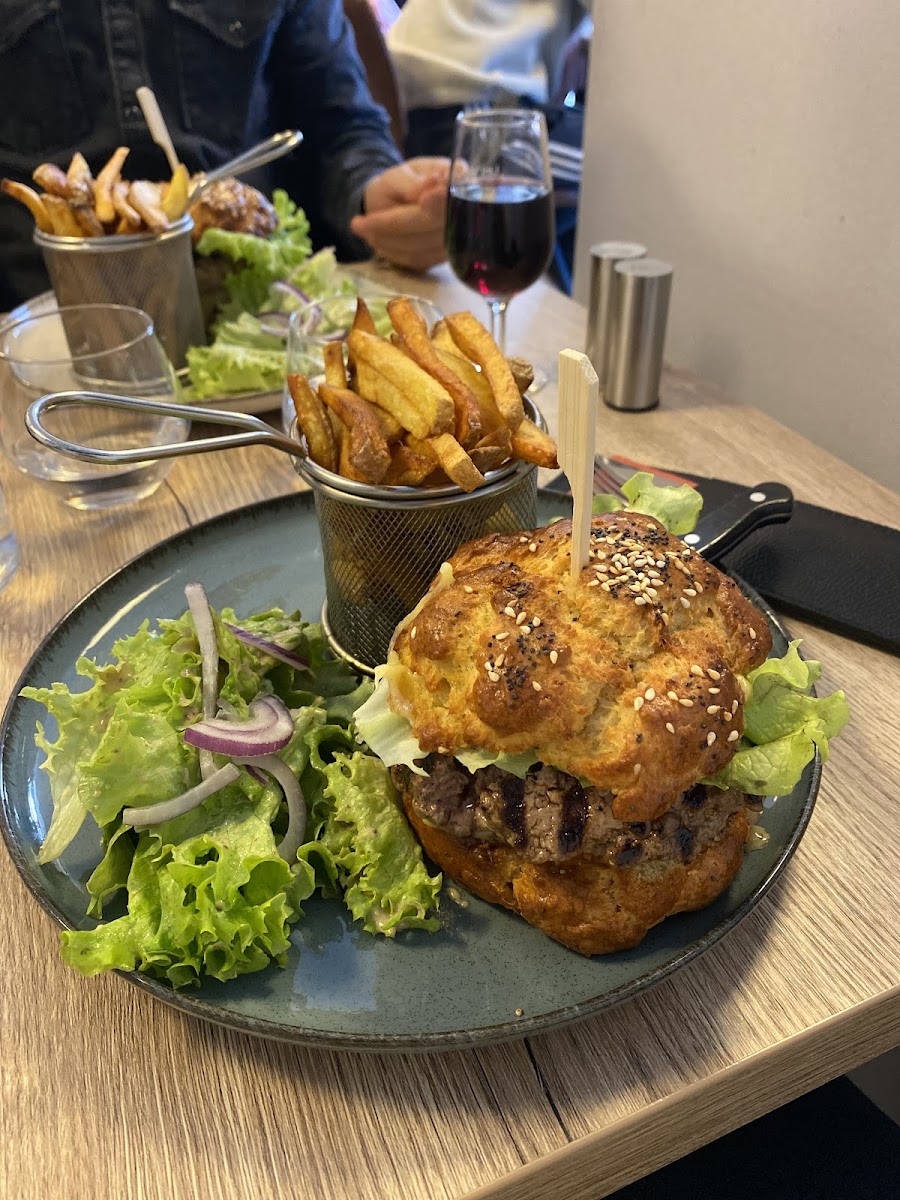
Overview
Tucked away in the quiet village of Fray Redon, 83136 Rocbaron, France, L'ardoisier feels like the kind of place you discover once and then keep recommending to friends. I first visited on a warm spring evening after a long drive through the Var countryside, and what struck me immediately was how effortlessly the restaurant blends rustic Provençal charm with refined culinary technique. The stone façade, shaded terrace, and soft interior lighting create an inviting setting that feels both relaxed and thoughtfully curated.
The menu is concise but carefully structured, which is often a strong indicator of quality. According to the Michelin Guide’s dining standards, restaurants that focus on seasonal, locally sourced ingredients typically deliver better flavor consistency and freshness. That philosophy is clearly visible here. During my visit, the chef showcased regional produce-sun-ripened tomatoes, locally raised lamb, and fresh Mediterranean fish. I ordered a starter of burrata paired with heirloom tomatoes and basil oil. The balance of acidity and creaminess was spot-on, demonstrating real technical understanding of texture and flavor layering.
For the main course, the slow-cooked lamb shoulder stood out. Prepared using a low-temperature roasting method over several hours, the meat retained moisture while developing deep, savory notes. This technique, widely recommended by culinary institutions like Le Cordon Bleu, helps break down connective tissue without drying the protein. The result? Fork-tender lamb infused with rosemary and thyme, served alongside gratin dauphinois that was crisp on top and silky underneath. It’s that attention to detail that transforms a simple dish into something memorable.
What makes dining here particularly enjoyable is the transparency in sourcing. The staff openly share where ingredients come from, mentioning nearby farms and regional suppliers. In an era where diners increasingly value traceability and food safety, that openness builds trust. The World Health Organization has consistently emphasized the importance of safe food handling and sourcing practices in hospitality, and establishments that communicate clearly about their supply chain naturally inspire more confidence.
Dessert was equally impressive. A house-made tarte au citron arrived with perfectly torched meringue-light, airy, and not overly sweet. The citrus filling struck a clean balance between tartness and sugar, showing restraint and precision. It’s easy to overload a dessert with sweetness, but here the flavors felt intentional and measured.
Beyond the food, service deserves recognition. The team maintains a relaxed yet attentive rhythm. Water glasses are refilled without interruption, dishes are explained clearly, and recommendations feel genuine rather than scripted. I noticed neighboring tables receiving thoughtful wine pairing suggestions featuring Côtes de Provence selections, which complemented seafood and poultry beautifully. Provence’s wine region is internationally recognized for its rosé production, accounting for nearly 40% of France’s rosé output according to regional wine councils, and the curated list here reflects that local pride.
Reviews from other diners often highlight the peaceful location and consistent quality, and based on my experience, that reputation holds up. The restaurant is not overly large, which allows the kitchen to maintain control over execution. Reservations are advisable during weekends, especially in summer when locals and visitors from Toulon and Brignoles make the short drive.
It’s worth noting that menus may shift depending on seasonal availability. While that means a specific dish might not always be offered, it also signals a commitment to freshness rather than convenience. For diners who appreciate evolving flavors and chef-driven creativity, that flexibility is a strength rather than a drawback.
Overall, this establishment delivers more than just a meal-it offers a carefully composed dining experience rooted in regional identity. From ingredient sourcing to plating techniques and warm hospitality, every element feels deliberate. Whether you’re exploring Rocbaron or planning a culinary stop in the Var region, this restaurant stands as a reliable choice for refined yet approachable French cuisine.
Good to know
Service options
✓ Outdoor seating ✓ Dine-in ✓ DeliveryHighlights
✓ Great coffee ✓ Great wine listPopular for
✓ Lunch ✓ Dinner ✓ Solo diningAccessibility
✓ Wheelchair-accessible car park ✓ Wheelchair-accessible entrance ✓ Wheelchair-accessible seating ✓ Wheelchair-accessible toiletOfferings
✓ Alcohol ✓ Beer ✓ Cocktails ✓ Coffee ✓ Healthy options ✓ Spirits ✓ WineDining options
✓ Breakfast ✓ Lunch ✓ Dinner ✓ Catering ✓ Dessert ✓ Seating ✓ Table serviceAmenities
✓ ToiletAtmosphere
✓ Casual ✓ Cosy ✓ QuietCrowd
✓ Groups ✓ TouristsPlanning
✓ Accepts reservationsPayments
✓ Credit cards ✓ Debit cards ✓ Meal coupons ✓ NFC mobile payments ✓ Pluxee ✓ Credit cardsChildren
✓ Good for kids ✓ Kids' menuParking
✓ Free of charge street parking ✓ Free parking lot ✓ ParkingPhotos
1 / 4
Location
Reviews
- No ratings yet 333 reviews
Charmant petit restaurant où l'on se sent chez soi, une équipe très agréable qui a toujours le sourire. A conseiller, nous reviendrons
Très bon accueil , le serveur nous a mis rapidement à l’aise et a été à nos petits soins. La cuisine traditionnelle a été appréciée de nous tous. Belle découverte